January 21, 2026
Choosing the right roofing material is one of the most important decisions a homeowner can make. The choice affects not only the durability and appearance of the home but also its energy efficiency, maintenance requirements, and overall resale value. With a wide variety of roofing materials available, from traditional asphalt shingles to modern sustainable options, navigating these choices can feel overwhelming. Roofing contractors provide essential guidance throughout this process, offering professional insight, experience, and local knowledge to help homeowners make informed, confident decisions.
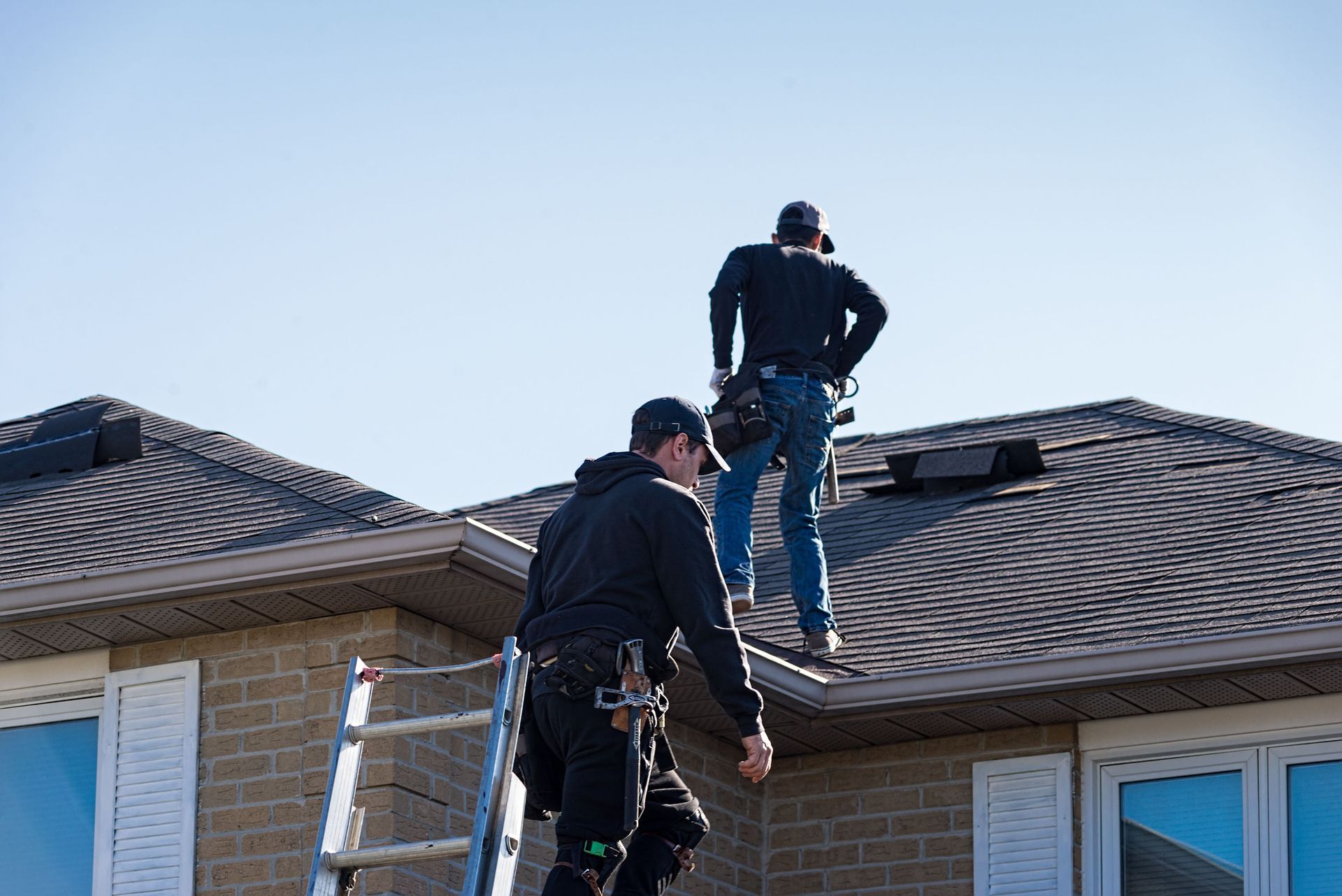
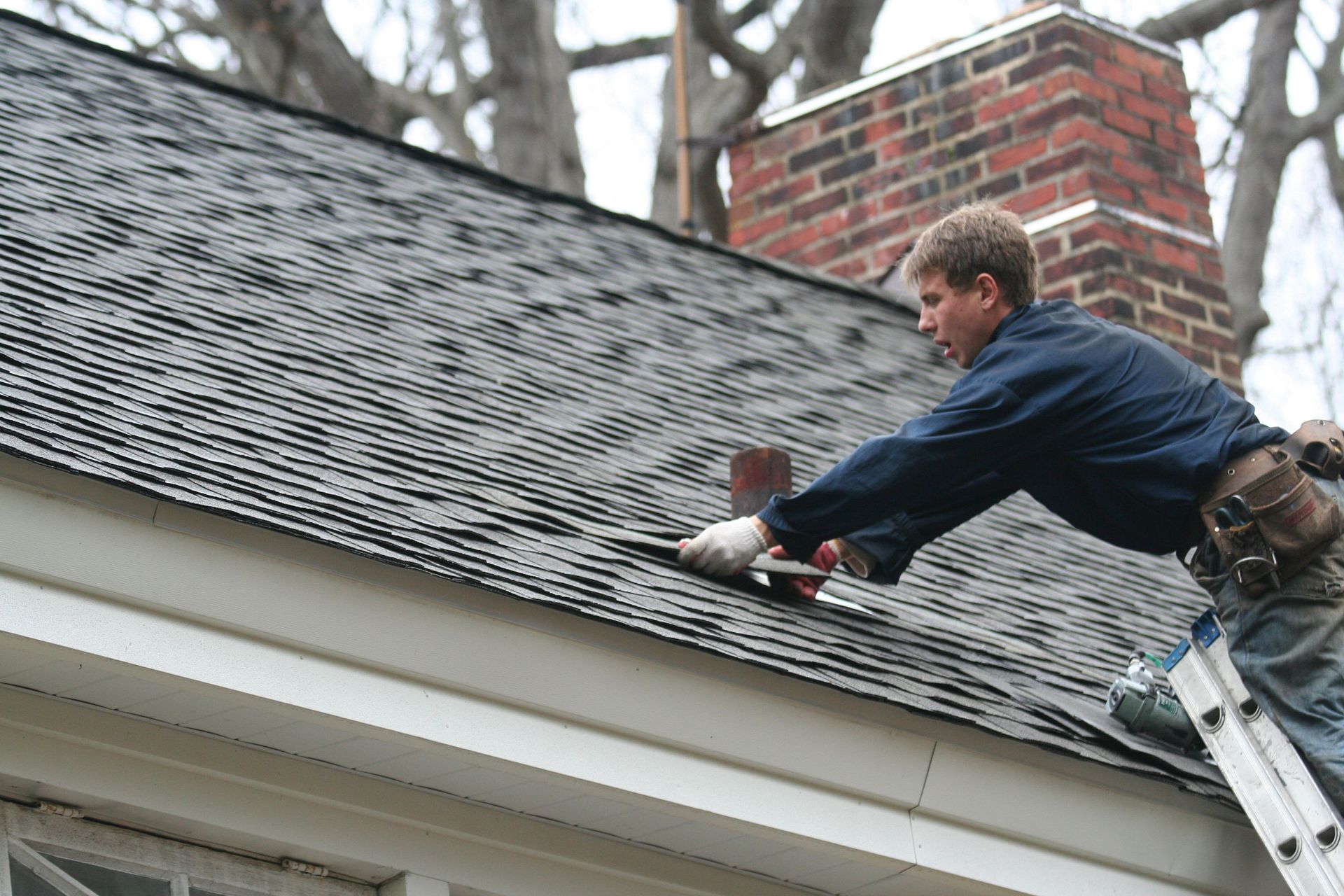
By relying on roofers, homeowners gain access to expertise that ensures each decision aligns with their home’s architecture, climate demands, and long-term financial plans. Professional contractors can evaluate each material’s performance, cost, and maintenance needs, ensuring the final selection enhances both the functionality and aesthetic appeal of the home.
Understand Different Roofing Materials
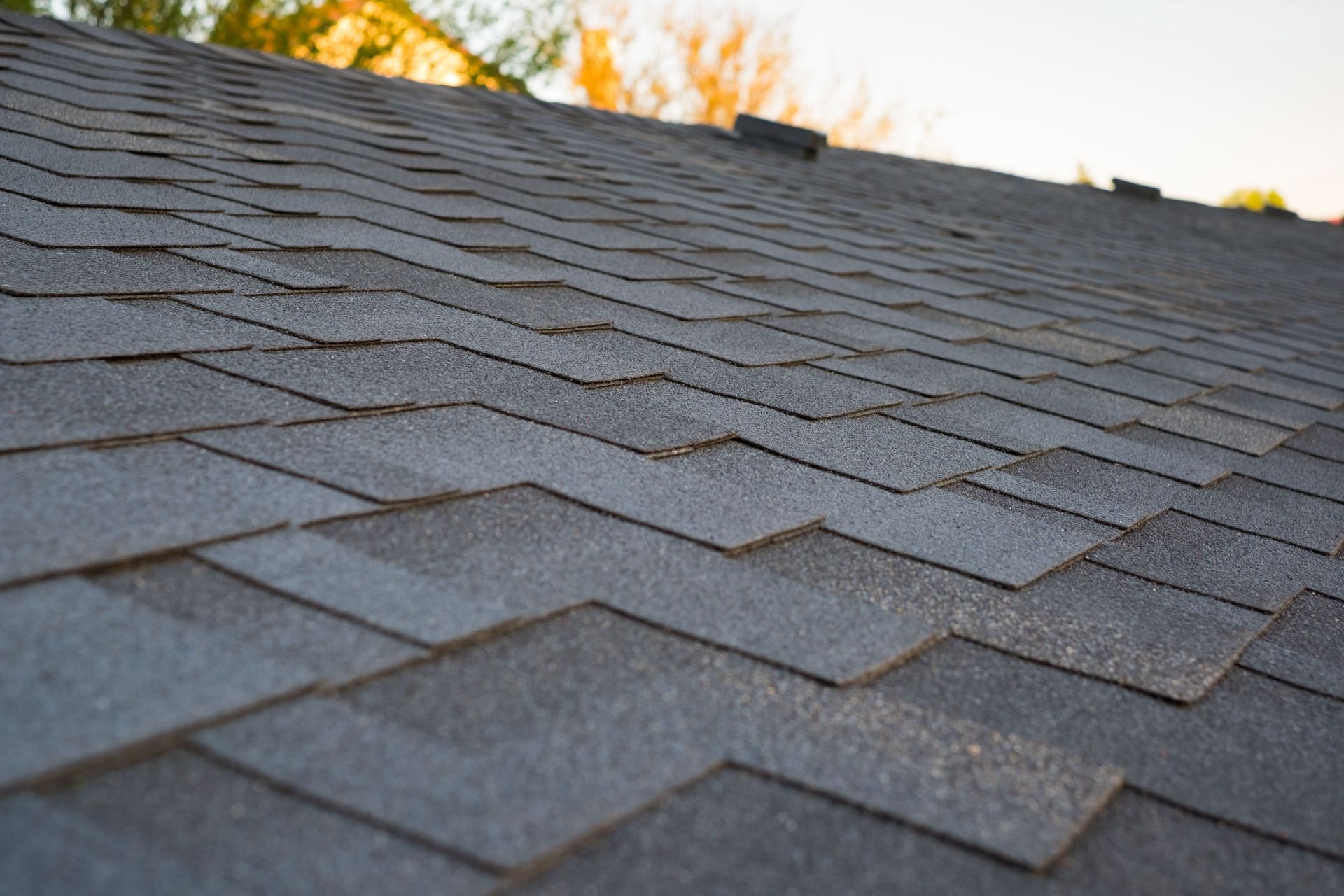
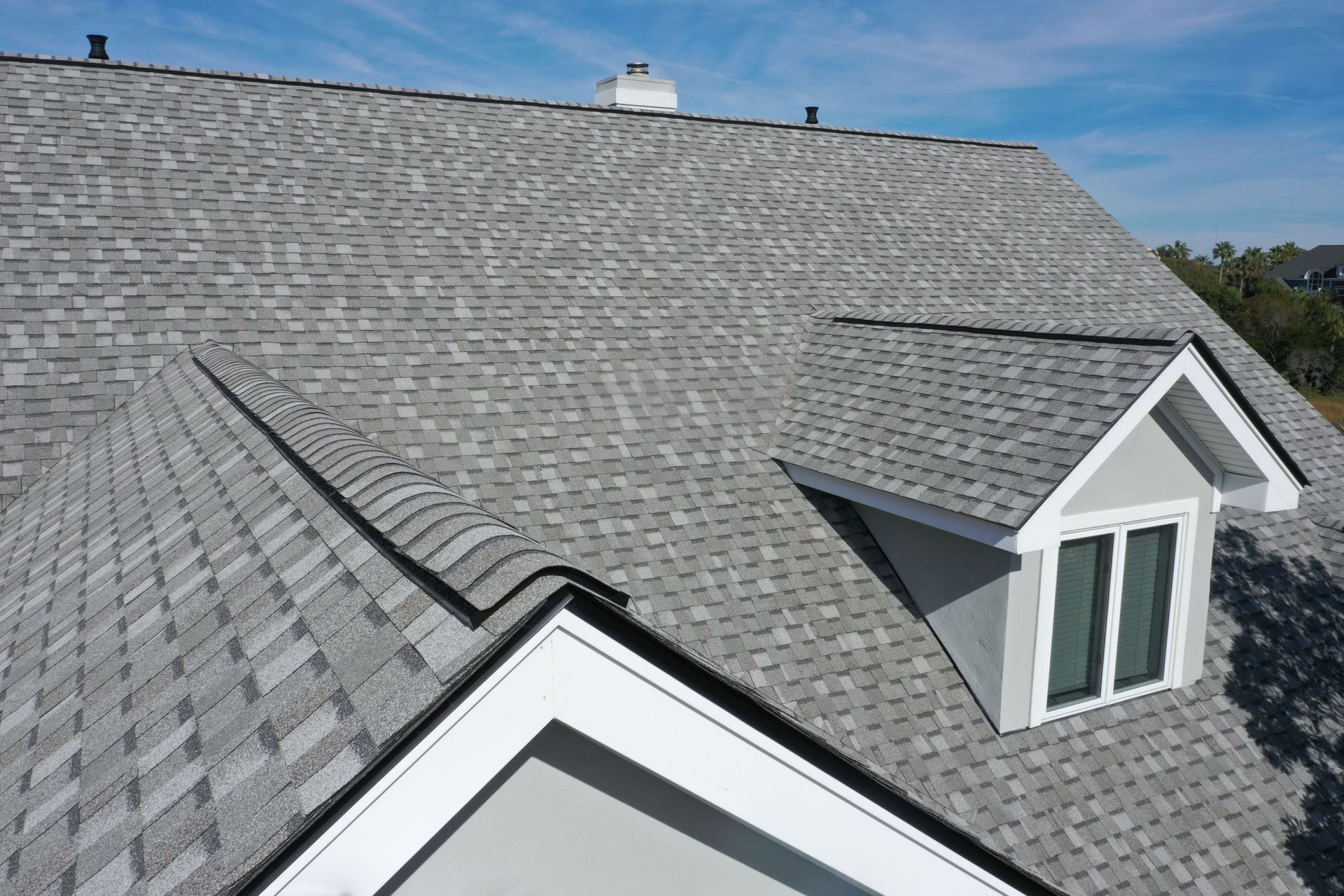
Among the most common roofing options, asphalt shingles remain a popular choice due to their affordability and variety. Metal roofing is prized for its longevity and eco-friendly properties, gaining popularity among homeowners seeking sustainable solutions. Tiles, whether clay or concrete, provide a durable, visually appealing option suitable for both traditional and modern architectural styles. Composite shingles and wooden shakes offer classic looks, while natural slate delivers exceptional durability and striking appearance, though at a higher price point.
Roofing contractors can explain how each of these materials performs under various conditions, from heavy rain to extreme heat, and outline installation requirements. They also help homeowners assess which materials best complement their home’s style and fit within budget constraints. This expertise ensures a balance between aesthetics, performance, and cost, helping homeowners avoid common pitfalls that arise from uninformed choices.
Consider Climate Effects on Roofing
The choice of roofing material is closely tied to local climate conditions. Metal roofs provide excellent resistance against extreme weather, making them ideal for areas with heavy snow or rainfall. Tile and slate, with their weight and thermal properties, perform well in hot climates, while asphalt shingles tend to thrive in moderate weather but may degrade faster in extreme conditions. Roofing contractors can guide homeowners in selecting materials that withstand local weather, reducing repair costs and ensuring longevity.
Contractors’ local expertise extends beyond climate knowledge. They consider regional trends, building codes, and historical performance of materials in specific neighborhoods. This insight ensures that roofing materials not only meet aesthetic preferences but also function reliably under local conditions. By integrating local experience with professional guidance, roofers help homeowners make choices that maximize durability and performance.
Explore Sustainability Options
Environmental considerations play a growing role in roofing decisions. Metal roofs are fully recyclable, while many asphalt shingles now incorporate recycled materials, enhancing their sustainability. Innovative options like solar tiles and living roofs combine energy efficiency with environmental benefits, generating power, improving air quality, and managing stormwater runoff.
Roofing contractors educate homeowners about these sustainable choices, assessing which options align with personal goals, home conditions, and budget. By balancing functionality, cost, and eco-friendly benefits, contractors help homeowners implement sustainable roofing solutions that reduce long-term expenses and environmental impact. Their guidance ensures that green roofing choices remain practical, effective, and suited to the home’s needs.
Incorporate New Roofing Technologies
Advancements in roofing technology have increased both performance and convenience. Cool roofing materials reflect sunlight to reduce heat absorption, cutting energy costs, while self-healing asphalt shingles can repair minor cracks and extend roof life. Smart roof sensors allow homeowners to monitor moisture, temperature, and potential damage in real-time, preventing costly repairs.
Roofers stay up to date with these technologies, advising homeowners on the benefits and feasibility of integrating them into new installations or replacements. By understanding and leveraging innovations, contractors provide solutions that enhance energy efficiency, maintenance management, and long-term durability. Their guidance helps homeowners adopt intelligent, forward-thinking roofing systems that deliver both functionality and peace of mind.
Provide Expertise and Experience
Roofing contractors bring essential expertise and experience to the material selection process. Their deep understanding of material performance, installation methods, and regional considerations ensures a comprehensive evaluation for each project. Contractors help homeowners identify potential challenges, anticipate maintenance needs, and consider alternatives to maximize both practical and aesthetic outcomes.
Through consultation, roofers provide actionable advice on durability, design compatibility, and financial feasibility. This professional insight prevents costly mistakes that can occur when selecting materials without guidance. By aligning material choice with long-term goals and budget constraints, contractors ensure homeowners achieve satisfying and enduring results.
Leverage Local Knowledge
Roofers’ familiarity with local codes, climate patterns, and building materials is invaluable. They ensure selected materials comply with regulations while performing well under specific weather conditions. Additionally, their understanding of local architectural styles helps homeowners choose roofing materials that enhance curb appeal and harmonize with surrounding properties.
Contractors also maintain relationships with regional suppliers, which can lower costs, secure timely material availability, and reduce project delays. This combination of climate awareness, regulatory knowledge, and supplier connections makes roofers indispensable partners in selecting the right material for each home.
Offer Customized Recommendations
Every home has unique requirements that demand tailored advice. Roofing contractors work directly with homeowners to understand budget, aesthetic preferences, longevity goals, and maintenance expectations. They then recommend materials that fit these priorities while considering the home’s structure and potential future upgrades.
Customized guidance ensures that roofing materials meet individual needs and enhance both performance and appearance. Contractors translate complex technical options into accessible recommendations, helping homeowners confidently select the ideal material for their specific context. This personalized approach increases satisfaction and ensures a seamless project from selection to installation.
Assess Costs and Supplier Access
Contractors’ supplier relationships are a significant advantage. Strong partnerships provide access to high-quality materials, potential discounts, and reliable availability, ensuring projects stay on schedule. Additionally, contractors can offer warranties and verify material authenticity, providing homeowners with reassurance about their investment.
Cost assessments conducted by roofers include material, labor, and potential contingencies, offering homeowners a clear financial roadmap. By comparing short-term installation costs with long-term savings, such as the energy efficiency of a metal roof versus the more frequent maintenance of asphalt shingles, contractors help homeowners make informed financial decisions that optimize value.
Evaluate Long-term Value
Durability and lifespan directly impact a roof’s long-term value. Asphalt shingles, according to Fixr, typically last 15 to 40 years, while metal and tile roofs can endure far longer, providing stability and reducing the need for frequent repairs. Roofing contractors guide homeowners in balancing upfront costs with long-term benefits, ensuring investments support both immediate needs and future resale potential.
Understanding maintenance needs is equally important. Low-maintenance materials like metal and tile may be more expensive initially but often result in lower lifetime costs. Contractors advise on tailored maintenance plans that preserve appearance, functionality, and longevity, helping homeowners maximize their investment.
Selecting the right roofing material requires careful consideration of durability, aesthetics, climate, sustainability, and cost. Roofers play an essential role throughout this process, providing expertise, local knowledge, customized recommendations, and financial guidance. Their professional insights allow homeowners to make informed, confident decisions that enhance both the beauty and functionality of their homes.
By partnering with experienced roofing contractors, homeowners can navigate complex choices, optimize long-term value, and enjoy peace of mind knowing their roofing investment is secure. At #1 Triple J Roofing LLC, we combine expertise, personalized service, and trusted supplier relationships to help homeowners choose the ideal roofing material, and we look forward to guiding you through the process with us.