July 31, 2026
Investing in a residential roofing system represents a significant financial commitment. Among the choices available across the market, asphalt shingles remain popular due to their affordability, versatility, and structural durability. Homeowners naturally want to maximize this investment and delay the substantial cost of a complete replacement. Achieving this longevity requires a comprehensive understanding of the environmental elements that degrade materials over time, as well as a commitment to consistent preventative maintenance. According to Home Advisor, with routine upkeep, asphalt shingles last 20 to 30 years. By taking proactive measures and partnering with certified roofers, individuals can ensure their protective systems perform optimally throughout this extended duration.
Optimizing Attic Ventilation Systems
An essential factor in extending the functional lifespan of asphalt materials involves the regulation of thermal conditions and moisture levels directly beneath the roof deck. During hot summer periods, solar radiation intensifies temperatures within attic spaces, creating an environment that can bake shingles from underneath if heat remains trapped. This excessive thermal accumulation causes the asphalt compound to become brittle, leading to premature cracking, blistering, and distortion of the protective layers. When attic spaces lack proper airflow, the protective granules on the surface detach much faster, leaving the underlying fiberglass base vulnerable to weather elements. Experienced roofers emphasize that adequate airflow remains a critical requirement for preserving material integrity across all seasons.
Conversely, cold winter conditions present different challenges when interior heat escapes into an unventilated attic space. This warmth melts snow on the upper surface, causing water to flow downward until it reaches the colder eaves, where it refreezes into destructive ice dams. These ice barriers force liquid water beneath the shingles, causing rot within the wooden decking and destroying internal insulation. Furthermore, daily humidity generated by household activities like cooking accumulates in unventilated attics, fostering mold growth and wood decay. By ensuring a balanced system of intake and exhaust vents, property owners can maintain stable conditions that preserve structural components. Qualified roofers can evaluate current airflow patterns to implement configuration changes that protect the entire asset from these hidden internal threats.
Scheduling Periodic Maintenance Inspections
Proactive property owners recognize that waiting for a visible ceiling leak to appear before examining a roof is a dangerous and costly approach. Minor defects often develop quietly on the surface, away from the view of individuals standing on the ground below. Environmental stressors such as high winds, heavy rain, and hail storms can dislodge shingles, loosen flashing around chimneys, or compromise protective sealants. If these minor structural discrepancies remain unaddressed, water slowly penetrates the lower layers, causing extensive structural decay over time. Regular evaluations allow professionals to detect these subtle changes before they transform into widespread household emergencies.
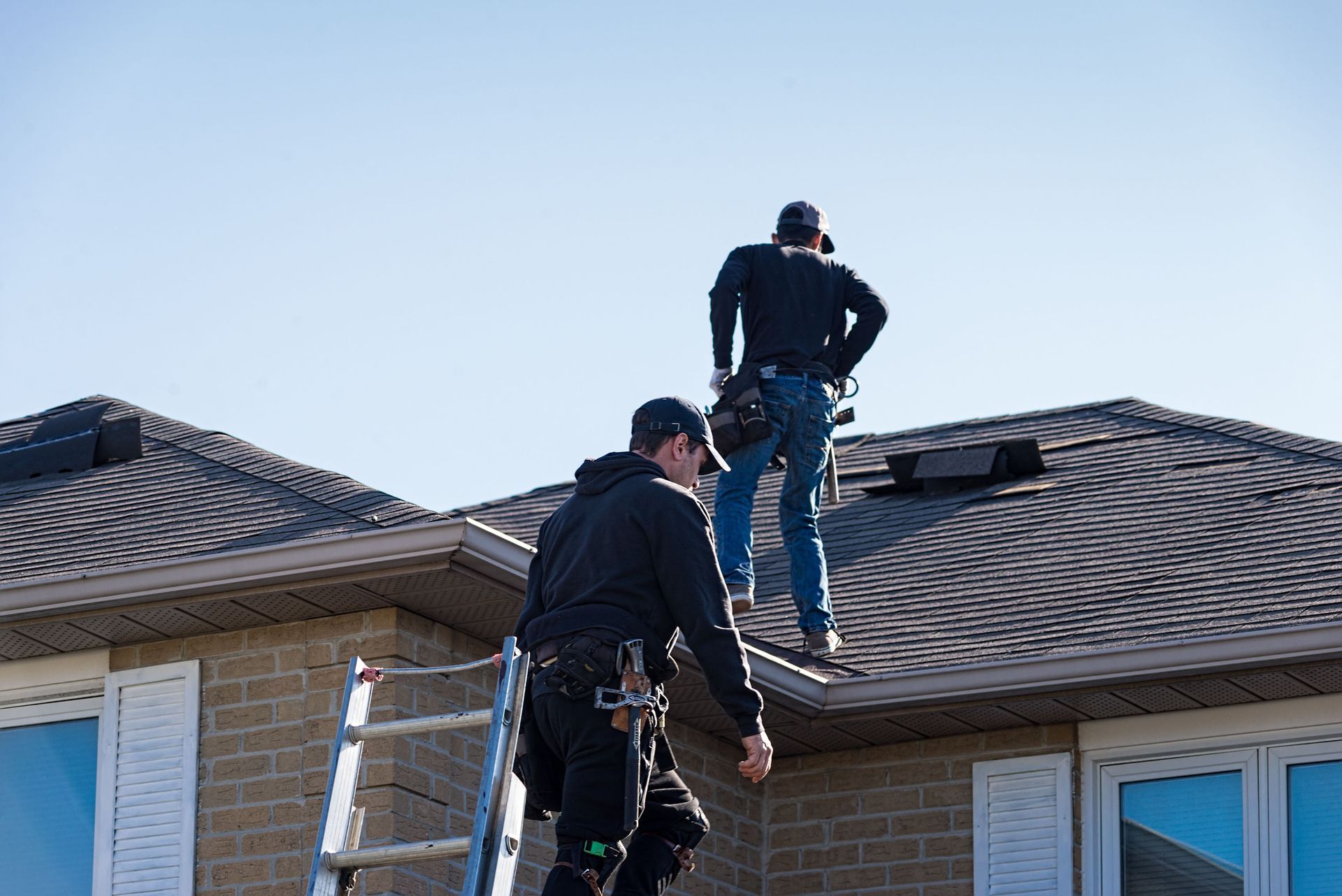
Engaging professional roofers to perform comprehensive evaluations on a regular schedule represents an effective method for safeguarding a major investments. These trained professionals possess the specialized equipment and diagnostic expertise necessary to spot problematic areas that untrained individuals might easily overlook. They examine vulnerable areas such as valleys, transitions, and penetrations where water collection is most likely to cause material degradation. Documenting the condition of the surface over time helps track the natural aging process of the components, allowing for planned budgetary adjustments rather than sudden financial crises. Relying on expert assessments guarantees that small flaws receive immediate correction, reinforcing the overall durability of the residential barrier.
Clearing Destructive Surface Debris
The accumulation of organic materials on a sloped surface creates a hazardous environment that significantly shortens the lifespan of asphalt products. Leaves, pine needles, twigs, and branches that fall from overhanging trees trap moisture against the shingles, preventing the sun from drying the surface after rainstorms. This persistent dampness weakens the asphalt compound, causing the protective granules to dislodge and wash away during subsequent storms. Furthermore, decomposing organic debris provides an ideal nutrient base for the proliferation of moss, algae, and lichens. These organisms actively root into the material layers, lifting the shingles and allowing water to bypass the primary protective barrier completely.
Removing these natural accumulations requires a careful approach to avoid causing accidental damage to the delicate granules that protect against ultraviolet radiation. Homeowners should utilize specialized tools or seek assistance from knowledgeable roofers who understand how to clean delicate surfaces safely without compromising material integrity. Trimming overhanging tree limbs also reduces the volume of organic material that drops onto the structure while increasing solar exposure to aid drying. Keeping the surface clear of obstructions ensures that rainwater flows unimpeded into the designated drainage channels rather than pooling on the shingles. This straightforward aspect of landscape management yields substantial benefits by preventing premature rot and material separation across the entire expanse.
Maintaining Peripheral Gutter Channels
An effective drainage strategy is absolutely vital for directing water away from the foundation and preserving the upper edges of a residential structure. Gutter systems that become clogged with leaves, silt, and detached roofing granules lose their ability to handle heavy rainfall efficiently. When water cannot flow freely through the downspouts, it backs up along the roof edge, submerging the lowest rows of shingles and the underlying wooden fascia boards. This constant submersion leads to rapid wood rot, fascia deterioration, and water penetration behind the exterior siding of the home. Over time, the heavy weight of standing water can cause the gutters to sag or detach entirely, causing further damage to the perimeter structure.
Ensuring that drainage channels remain free of obstructions allows rainwater to exit the property boundary rapidly without causing localized erosion or moisture accumulation. Property owners should inspect these channels regularly, particularly during autumn when foliage drops are most severe. Seeking guidance from professional roofers can help identify structural alignment issues or determine if protective gutter guards would benefit the specific property configuration. Properly functioning drainage components protect the integrity of the lowest shingle rows, which are highly vulnerable to water damage. Keeping these pathways clear represents a fundamental pillar of overall home preservation that shields the building from cascading moisture problems.
Repairing Minor Surface Damages
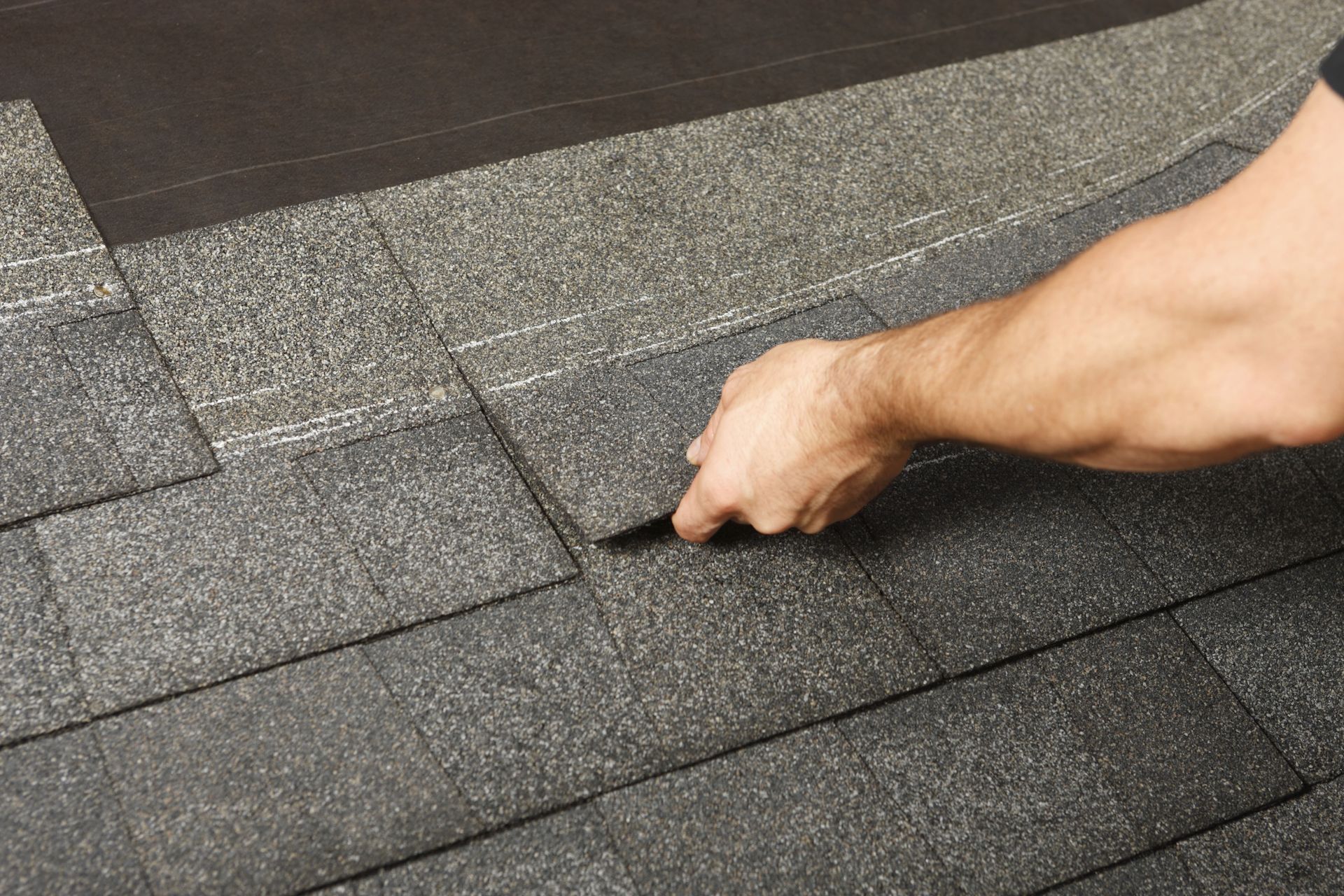
When unexpected storm events or natural aging processes cause minor damage to a roof, executing swift repairs is essential to prevent compounding issues. A missing shingle, a cracked boot around a ventilation pipe, or a loose section of metal flashing might seem insignificant initially. However, these small openings provide a direct pathway for wind-driven rain to bypass the primary defense system and reach the vulnerable underlayment below. Once moisture breaches this initial barrier, the degradation of internal components accelerates rapidly, leading to sagging ceilings, damaged drywall, and compromised electrical systems. Addressing these vulnerabilities immediately limits the scope of required remediation work and controls overall expenditure.
Entrusting these specialized technical tasks to licensed roofers ensures that repairs conform to manufacturer standards and preserve remaining material warranties. Professionals possess the appropriate sealants, matching materials, and fastening techniques required to seamlessly integrate repairs into the existing surface architecture. Amateur repair attempts often utilize incompatible materials that can accelerate chemical degradation or fail prematurely during subsequent weather events. By relying on qualified experts to patch small defects, property owners reinforce the structural integrity of their homes while maximizing the operational lifespan of the remaining materials. This disciplined approach to minor fixes ensures that the system achieves its full potential durability over many decades.
Maximizing the lifespan of an asphalt roofing asset requires a combination of regular vigilance, proper attic ventilation, debris management, and timely professional maintenance. Neglecting these essential upkeep requirements can cause materials to fail decades before their time, resulting in premature financial burdens for property owners. By understanding how environmental factors interact with shingles, individuals can implement protective strategies that safeguard their homes from moisture damage. Partnering with experienced professionals guarantees that minor structural issues receive appropriate correction before evolving into widespread household disasters. Protecting your family and your financial investment begins with a commitment to consistent, high-quality care for your protective systems. To receive dependable assistance with your maintenance requirements and maximize the value of your asset, contact #1 Triple J Roofing LLC today.